- Curious Reading Club
- Posts
- Inside the world's ghastliest garbage dumps
Inside the world's ghastliest garbage dumps
A visual tour of the locations in "Waste Wars".

Bobbie Johnson
April 05, 2026
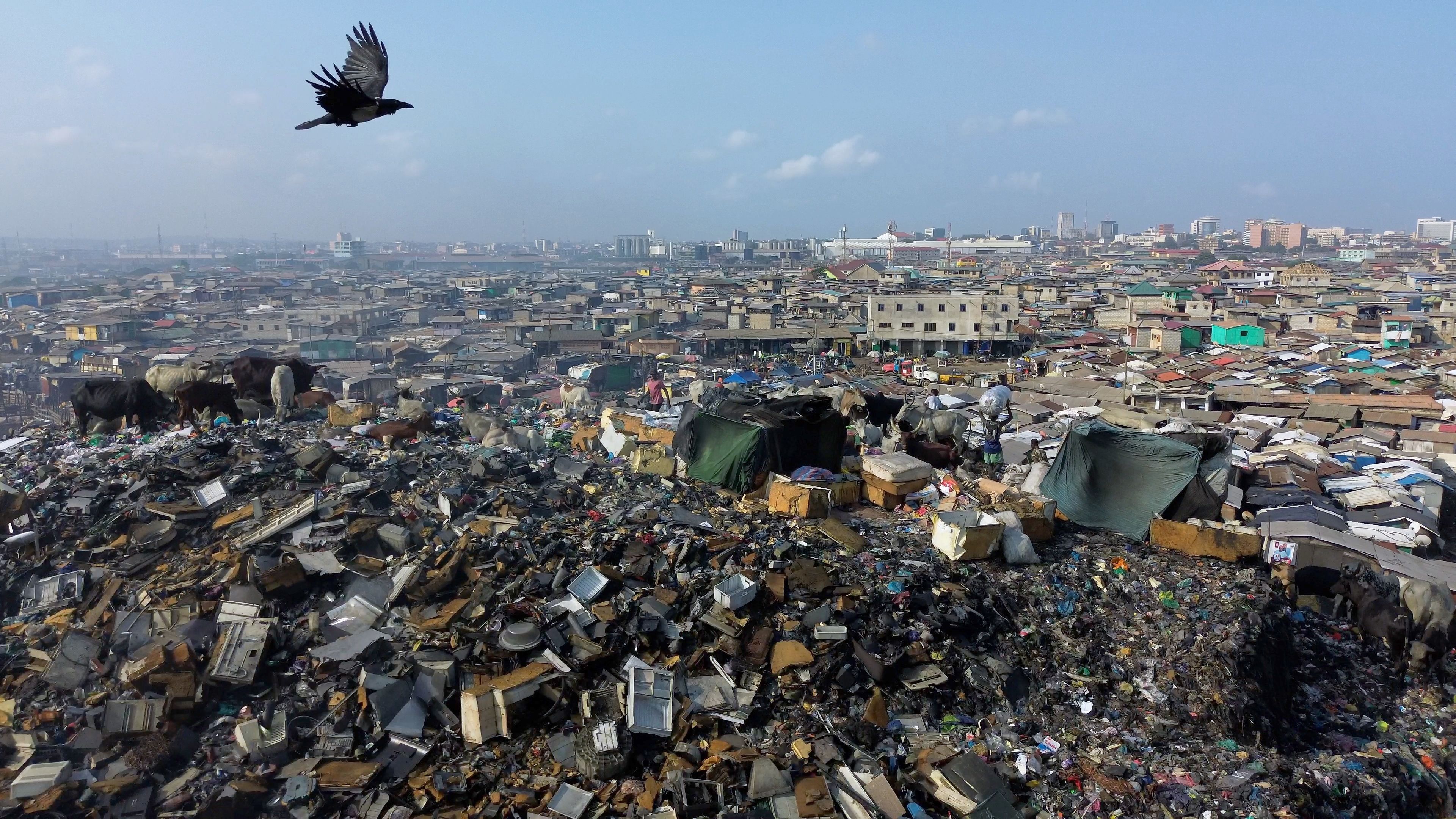
Agbogbloshie, Ghana: Delbo Andrea / Shutterstock
One of the things that impressed me most about Alexander Clapp’s Waste Wars—our book of the month for April—is how many miles he put in. Traveling far and wide, he traces the routes taken by the things we throw away, looks for the places our dumped trash ends up, and meets the people who have to deal with the results.
Sometimes he uncovers a terrible truth: encountering those who live off picked-up plastic in Tanzania, or talking to the people grinding away in Turkey’s terrifying breakers’ yard, where cruise ships—and workers—go to die. Other times his search is a little more indirect, enveloped by hints and rumors, including when he goes searching for a secret toxic waste dump in Guatemala.
Clapp evokes these places well, but I also found myself looking them up as I read, trying to give myself a visual aid to help me see what he was seeing. And, as I looked through his eyes, I was often taken aback by what I saw.
So, for this week’s update, I thought I’d take you on that visual tour of some of the locations in this book.
Ghana
A significant portion of the book is spent in the informal settlement of Agbogbloshie, near the center of the Ghanaian capital, Accra. This is a place where, for many decades, the West has sent some of its worst trash, including cars and electronic waste.
Agbogbloshie has been quite well-documented in pictures since it’s such a wild and surprising place. I was particularly drawn to photographs made a couple of years ago by two photojournalists, Muntaka Chasant and Bénédict Kurzen, who won the Fondation Carmignac prize, which let them spend time in the slums to document what’s going on there.
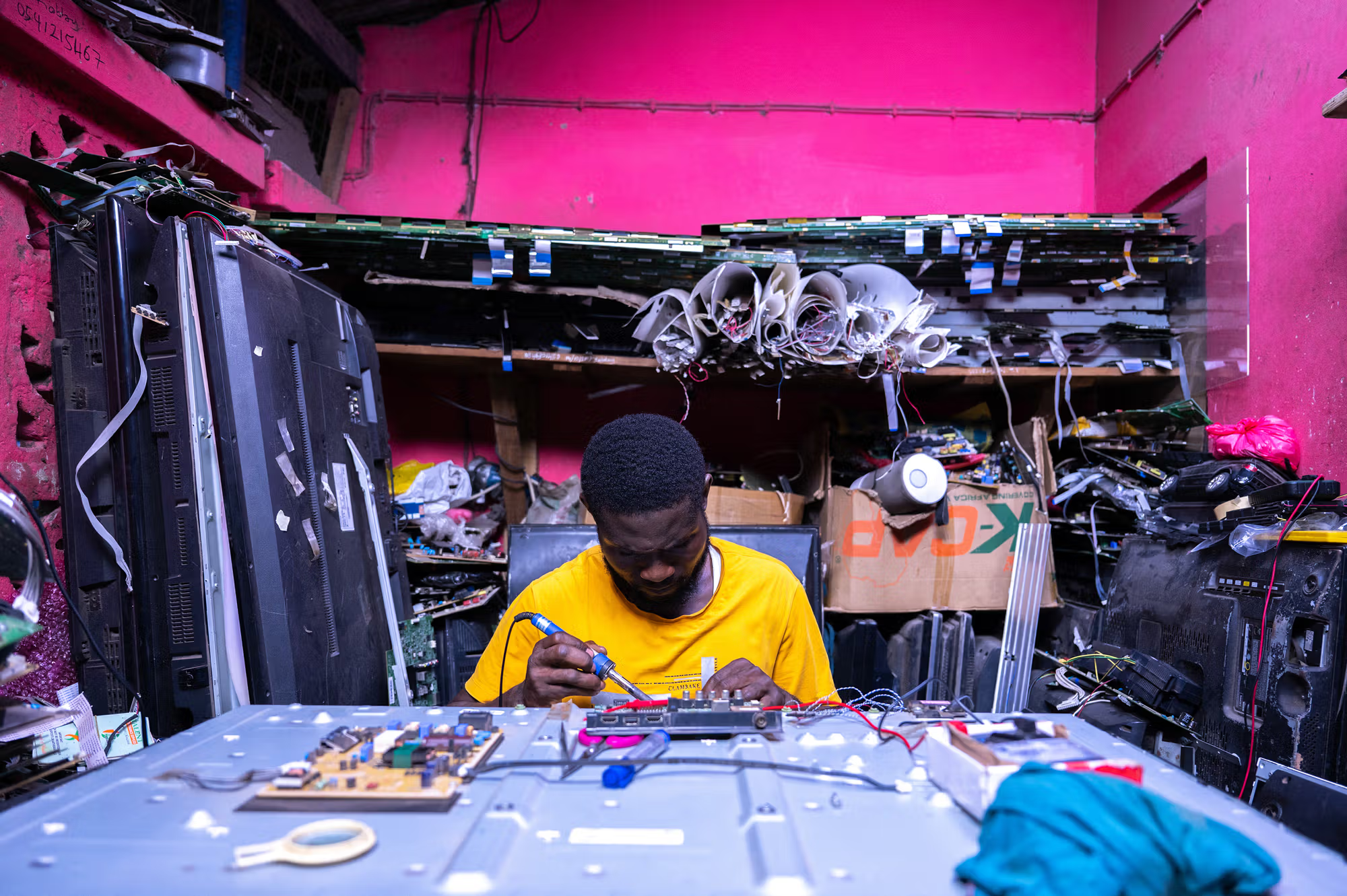
Bénédicte Kurzen for Fondation Carmignac / NOOR
This is where your electronic waste ends up: according to some reports, as much as 15,000 tonnes of computers and phones each year.
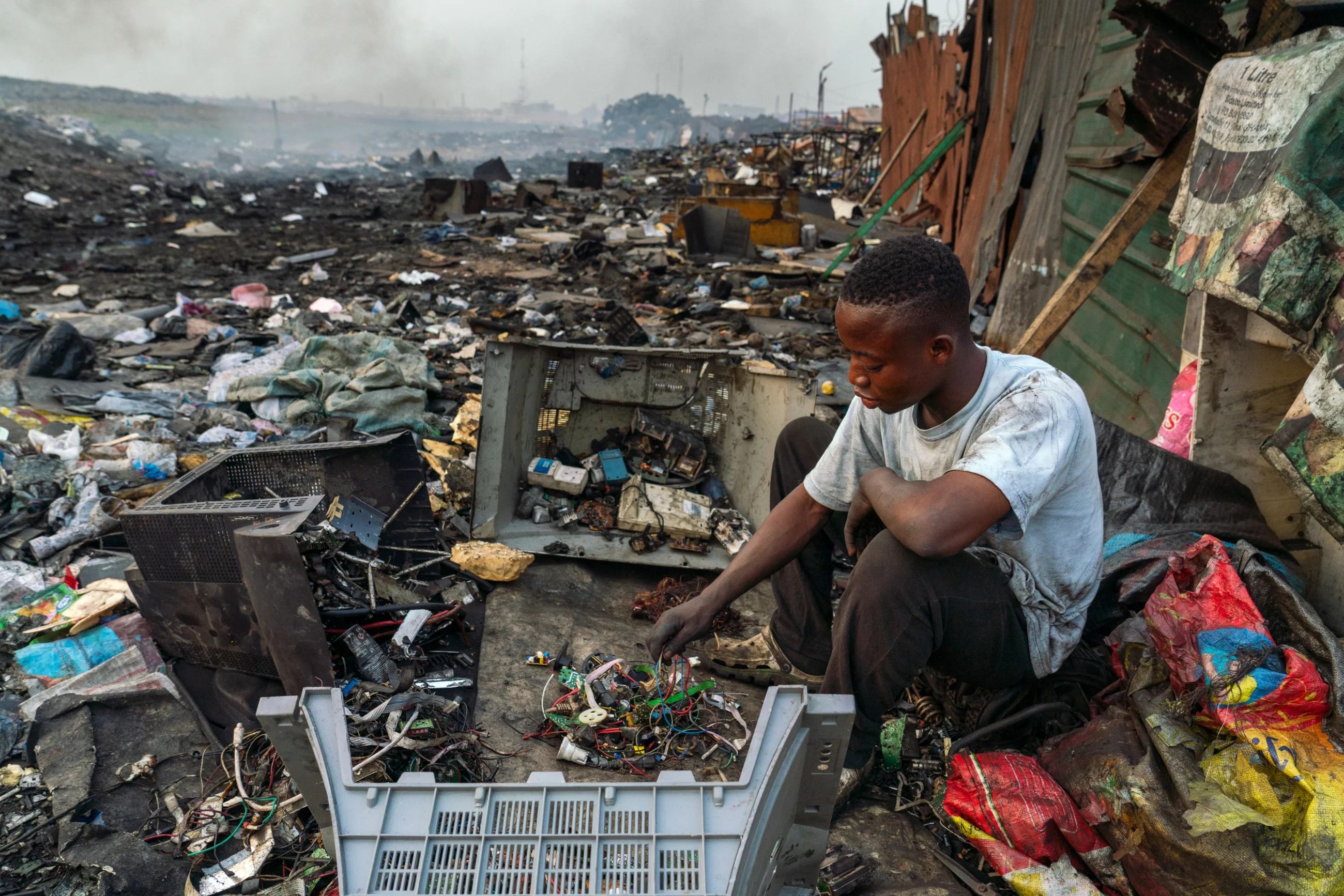
Muntaka Chasant for Fondation Carmignac
Clapp visits Agbogbloshie and doesn’t just find the scenes we see here—people sifting through old laptops and phones, pulling them apart or reconstituting them—but also meets teams of “browser boys.” These are kids who have turned that dumped material into an entirely new business: They access the broken and discarded machines and crack open their data, like breaking discarded nutshells to find the ones with tasty morsels still inside. Once they’ve got this data, they use it steal the identities of the previous owners and scam the west back—a kind of colonial exploitation in reverse.
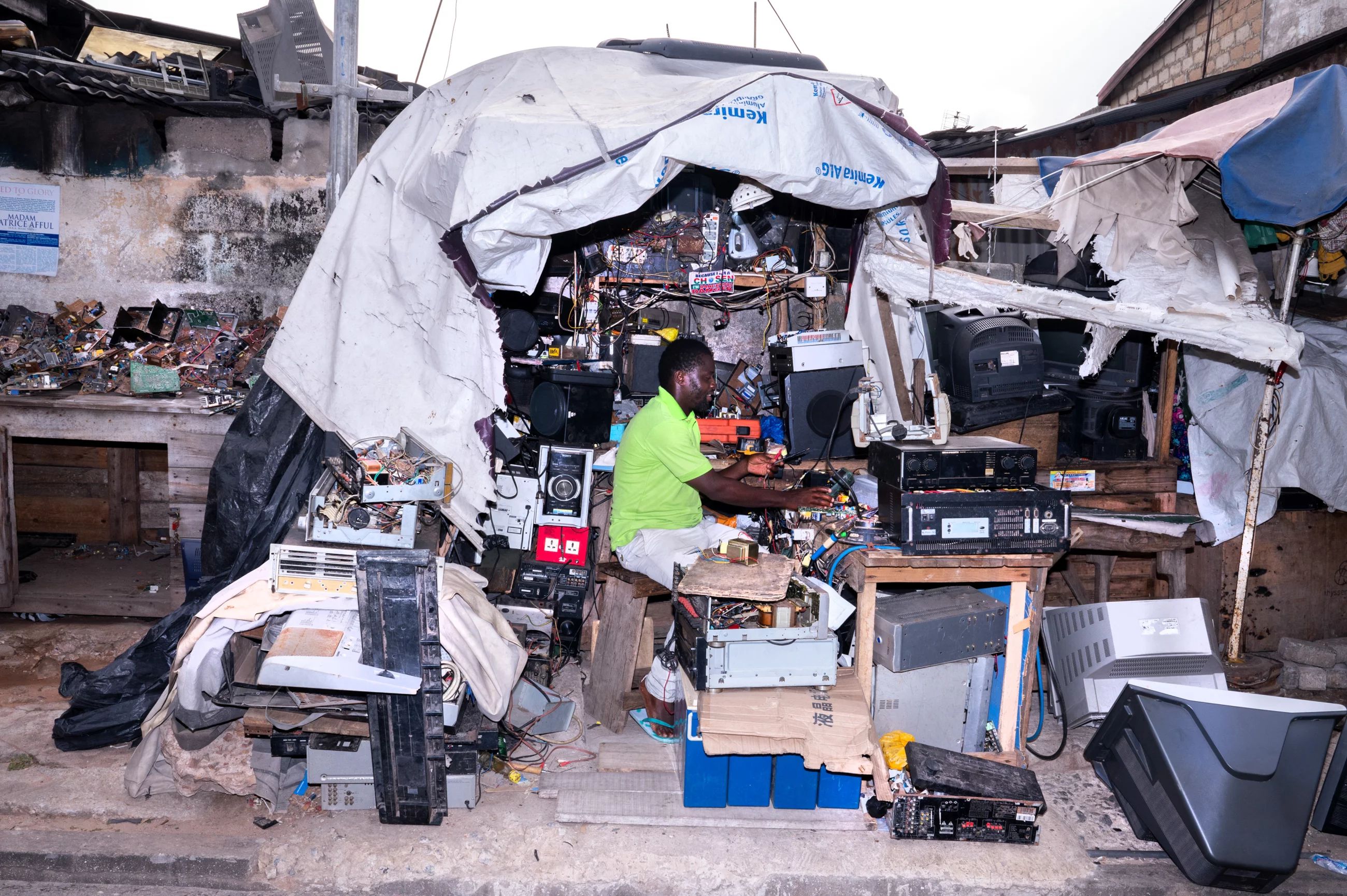
Bénédicte Kurzen for Fondation Carmignac / NOOR
It’s really a remarkable place to learn about. You can see more of Chasant and Kurzen’s photography at the Fondation Carmignac website.
Indonesia
Reading about Clapp’s visit to Java, it’s easy to think that he’s overdoing it. He details it at length in the book, but to avoid spoilers I’ll refer to his New York Times opinion piece from last year, in which he described “hellscapes of imported Western waste — toothpaste tubes from California, shopping bags from the Netherlands, deodorant sticks from Australia — stacked knee-high as far as the eye can see.”
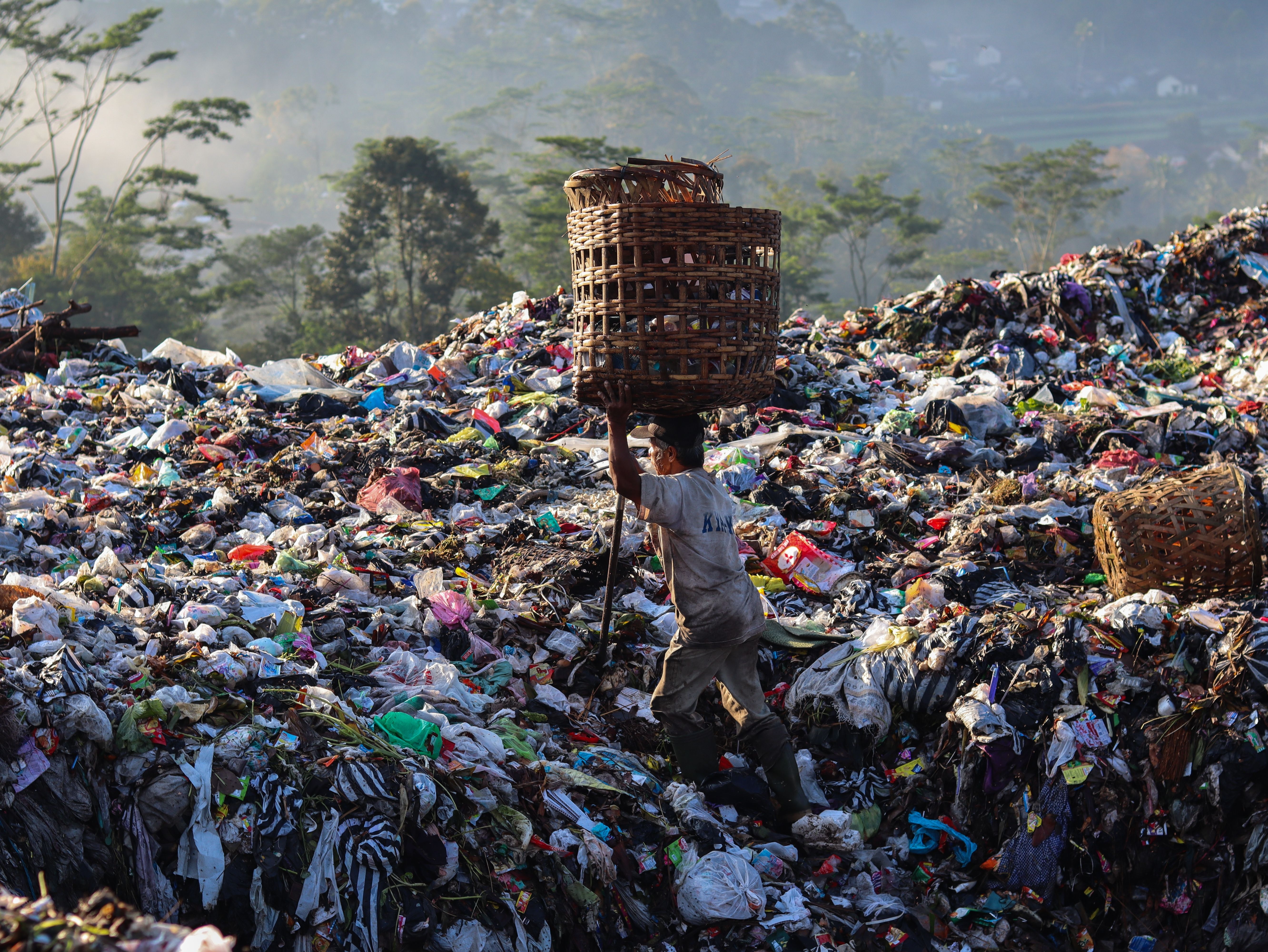
Wonosobo: nn_rusyd / Shutterstock
In fact, when you look at the photography perhaps he’s underplaying it? The vast, unending quantities of rubbish are just astonishing. I can feel it through these images; I can smell the rot and the rancid stench.
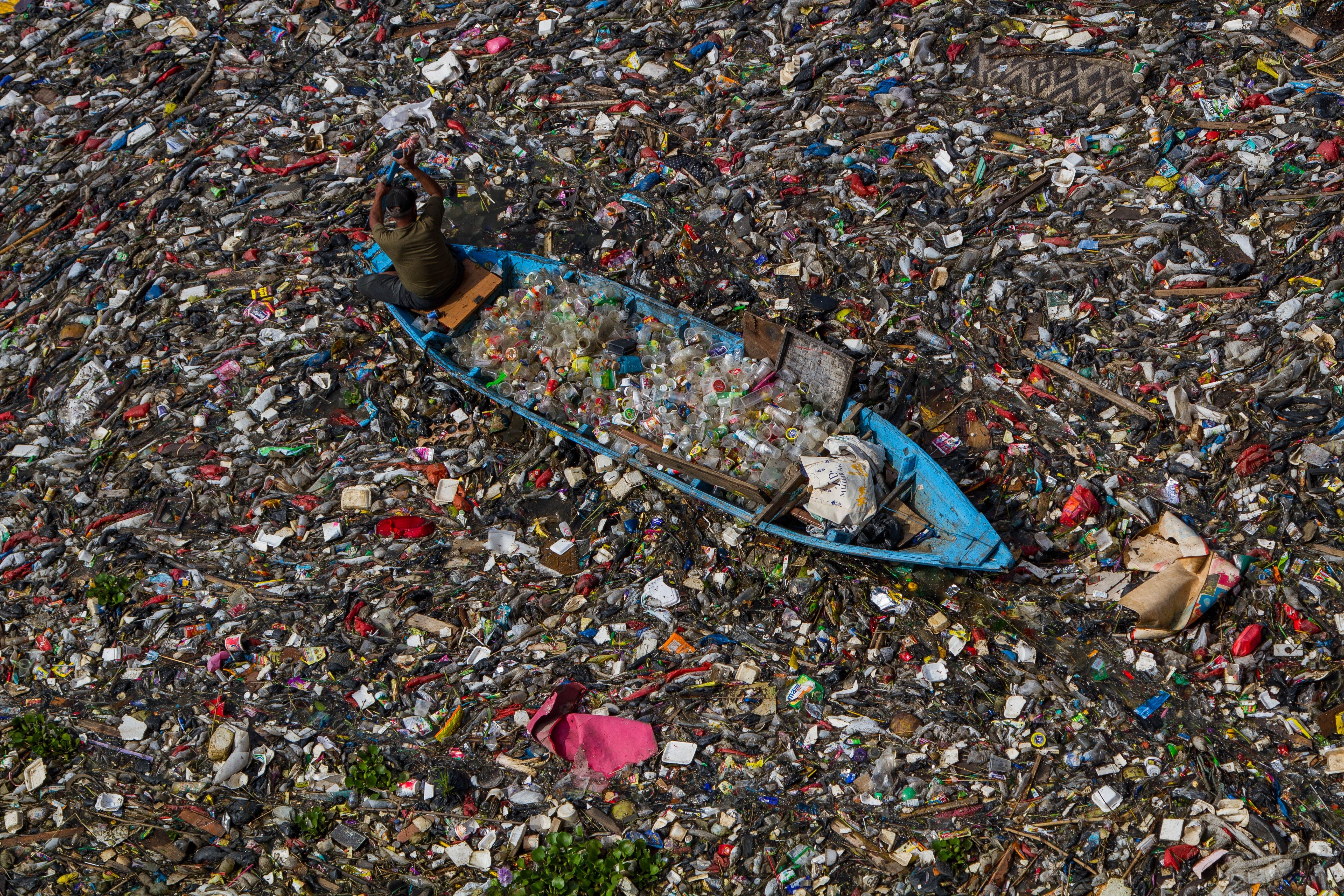
Citarum river: Algi Febri Sugita / Shutterstock
The terrifying thing about all this, as he describes in the book, is that there is not much capability or financial incentive to actually try recycling all this rubbish. Instead, it gets burned as fuel—including by local food manufacturers. “The result is some of the most lethal cuisine imaginable, with poisons from incinerated Western plastic ingested hourly by great numbers of Indonesians.”
Turkey
On a far more industrial level, Clapp visits the vast shipbreaking yards on the Aegean coast of Anatolia. This is a place where vessels of all kinds, from tankers to cruise ships, are bought towards the end of their lives. They’re ripped apart by huge cranes, disassembled by people with hammers and torches, and torn down for scrap and re-use.
And, as Clapp details, it’s all done in what appear to be astonishingly unsafe conditions.
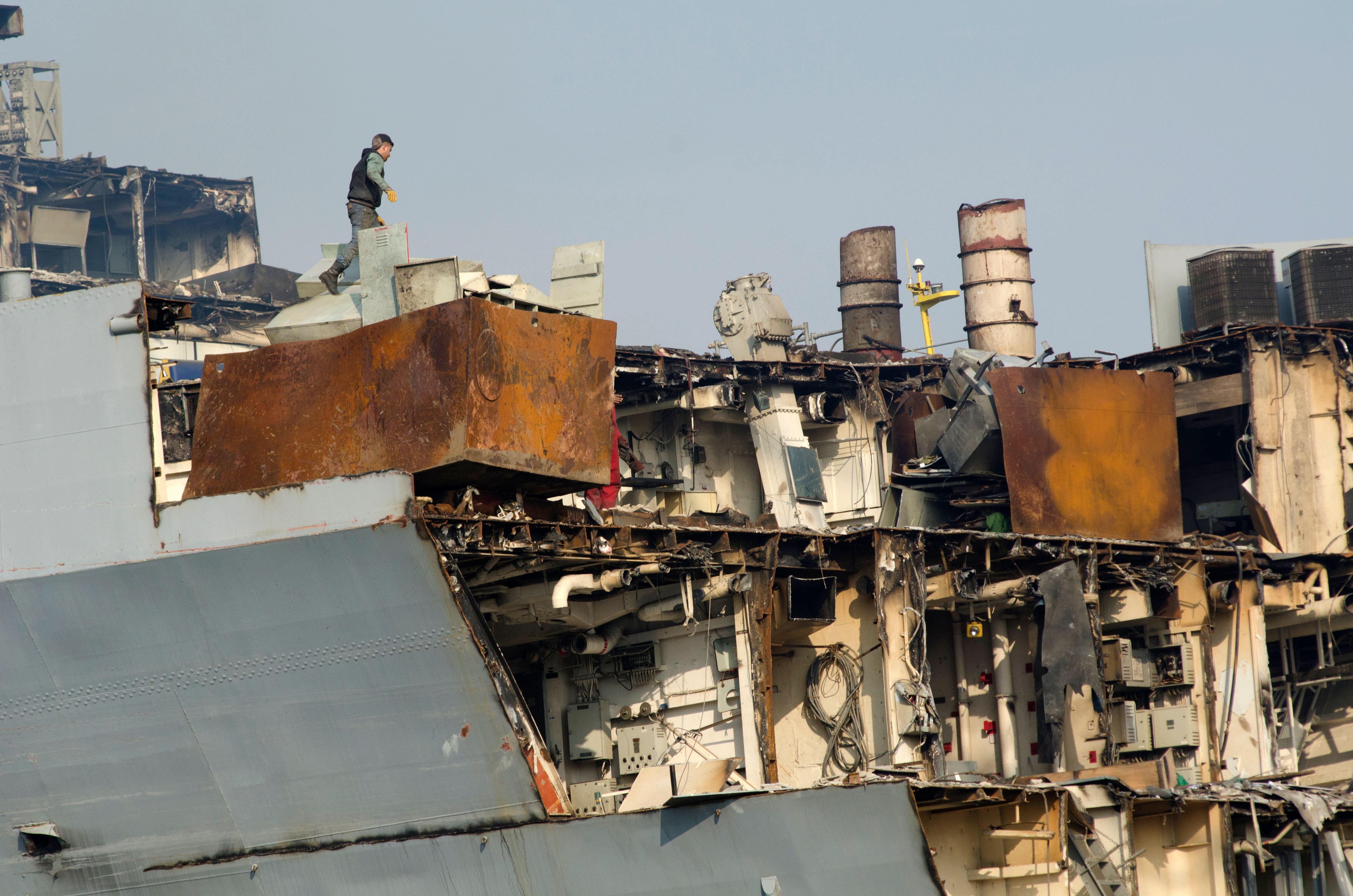
Izmir: John Wreford / Shutterstock
See the guy just walking through the collapsing remnants of a cruise ship with no protective gear? The book digs into the story of how the workers at these sites—mostly young rural transplants, some of whom have never seen the sea, let alone a huge ship—are thrown into incredibly dangerous situations.
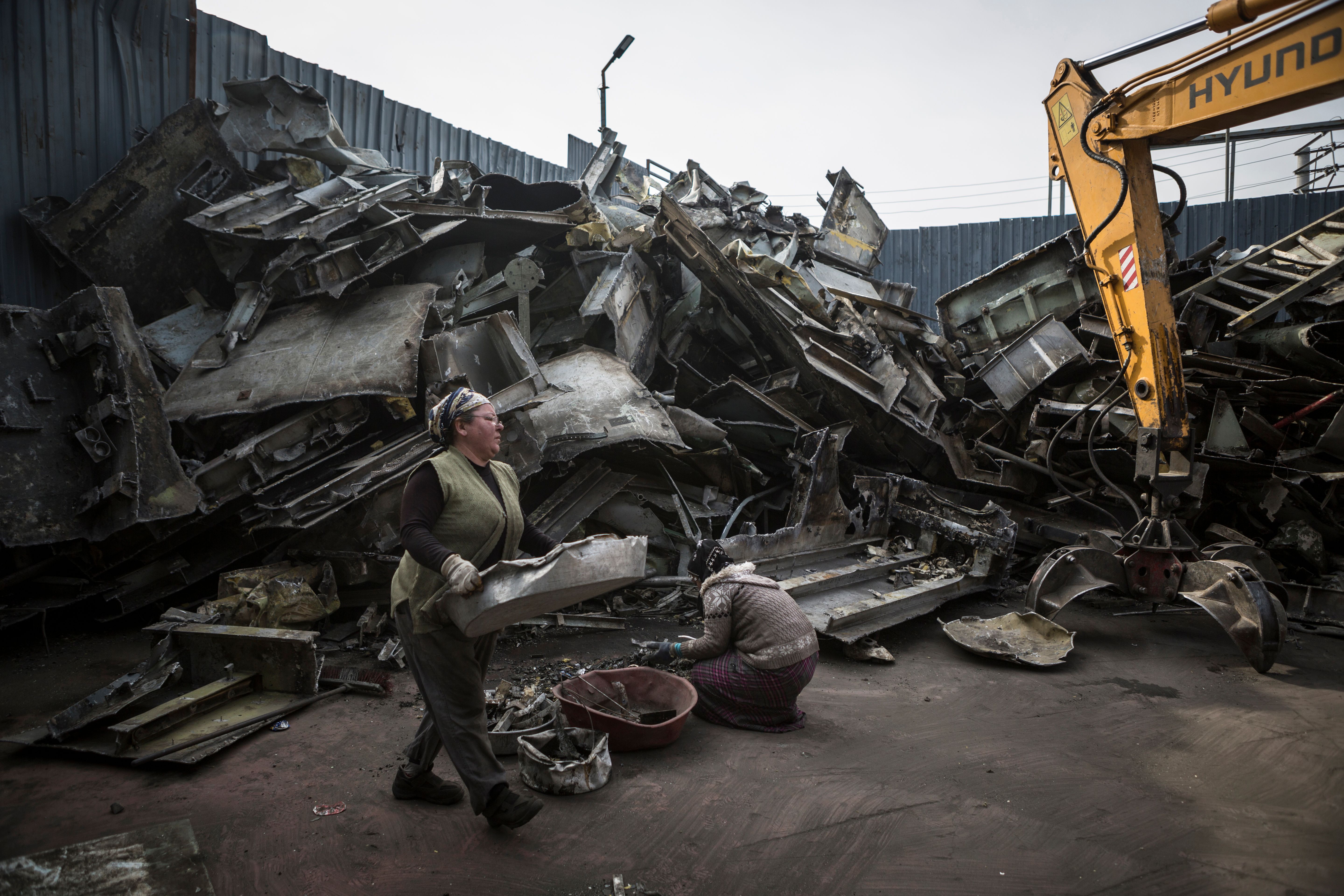
Izmir: Sahan Nuhoglu / Shutterstock
Very little protective gear, very little compensation, very little future… and sometimes very little time left.
Get yourself ready to visit these places with him, and be similarly taken aback.
Onwards,
Bobbie